

What Happens at Calving Time?
Calving on a grass-based, spring-calving dairy farm is a busy and important time of year that sets the tone for the rest of the farming season. Here’s a breakdown of what happens:
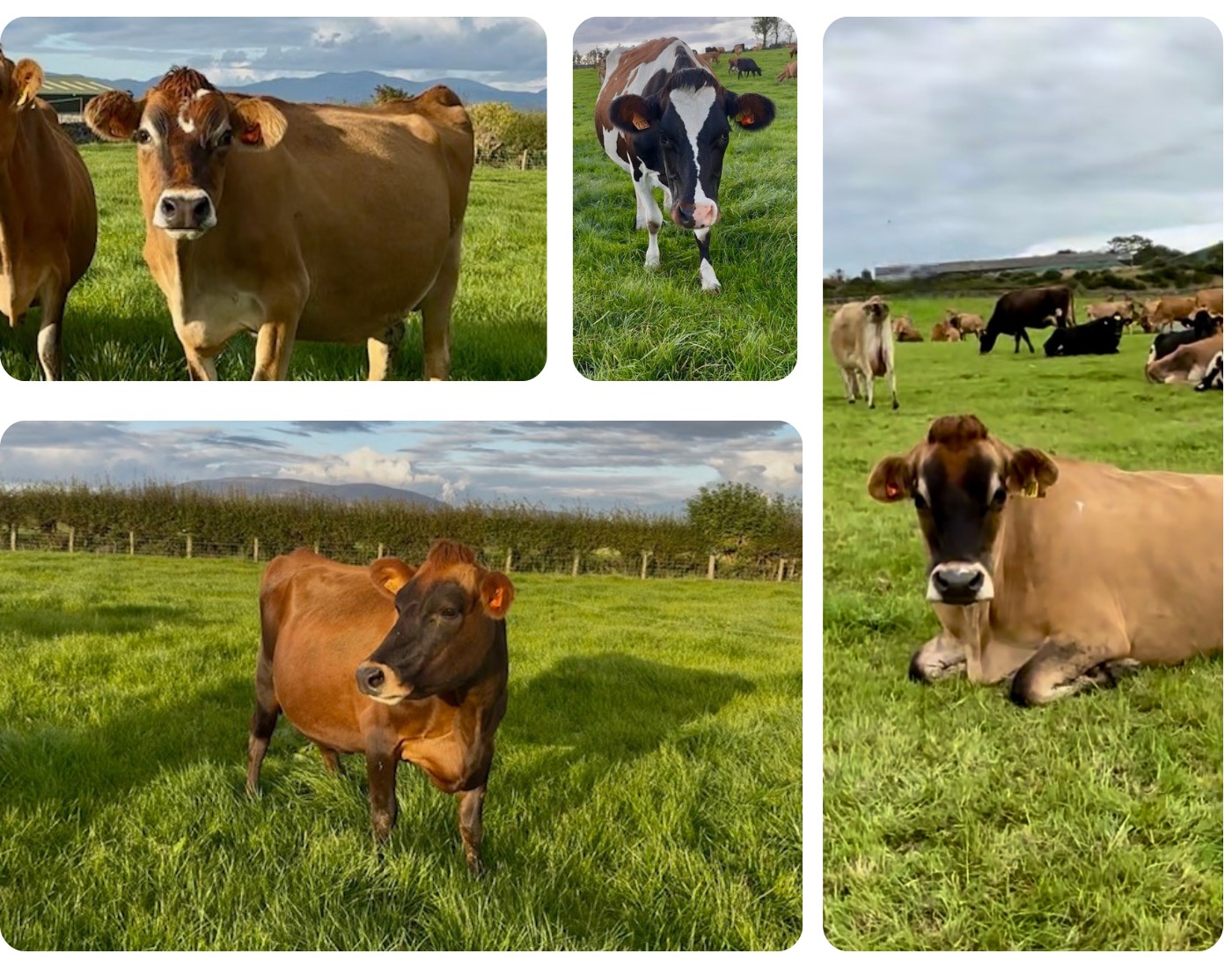
The Calving Process
- On a spring-calving dairy farm, calving is strategically planned to coincide with the growth of fresh, nutritious spring grass.
- This ensures that cows have access to high-quality forage, which helps maximize milk production naturally and cost-effectively.
Before calving begins in February:
- Cows are dried off (milking stops) around 60 days before their expected calving date.
- Farmers monitor the cows’ health, body condition and ensure vaccinations and minerals are up to date.
- Calving pens or paddocks are cleaned, bedded and readied for use.
During calving season (typically over 6 to 10 weeks):
- Cows are closely monitored for signs of labour, such as restlessness, udder filling and mucus discharge.
- When a cow goes into labour, farmers often observe and may assist if complications arise.
- After calving, the calf is checked to ensure it is breathing well and is healthy.
- The calf receives colostrum (the cow’s first milk), which is essential for immunity.
- The cow is monitored for any post-birth issues like retained placenta or milk fever.
- The calf is moved to a separate pen in the calf-rearing area.
- The cow enters the milking herd and starts producing milk.
- Because the farm is grass-based, cows are gradually transitioned to pasture as weather and grass growth allow.
- Fresh grass becomes the main component of the cow’s diet, supporting high milk yields without relying heavily on purchased feeds.
- Calving is synchronised so that most cows calve within a compact timeframe.
- This helps streamline labour, optimise pasture usage and ensure uniform milk production.
In Summary
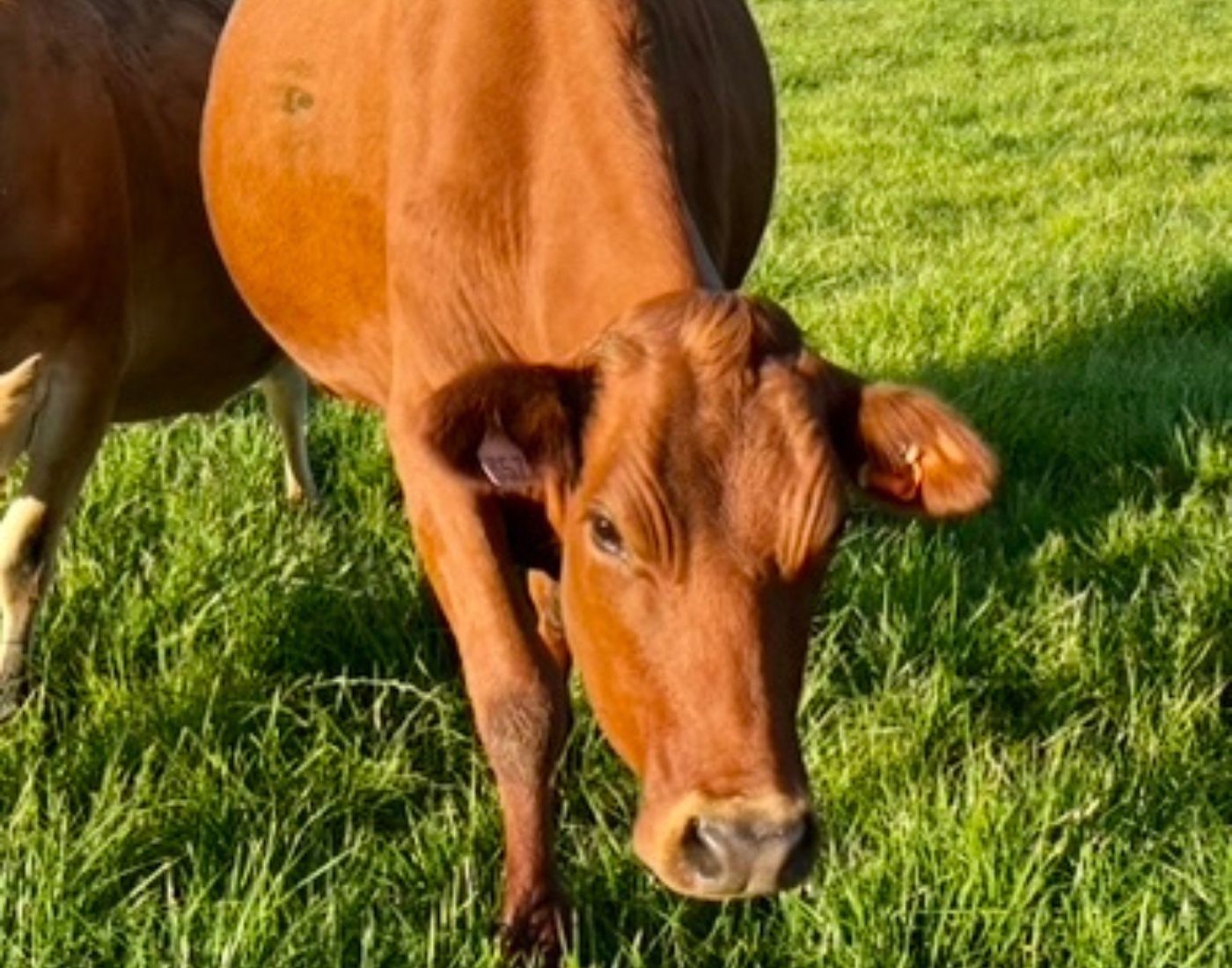
In summary, calving on a spring-calving, grass-based dairy farm is a well-coordinated process aimed at aligning the biological cycle of the cow with natural grass growth. It’s all about maximizing animal health, milk production and the efficient use of grass — the farm’s cheapest and most sustainable feed source.