

What is Milk Recording?
Milk recording is a valuable management tool used on dairy farms to monitor the performance and health of each cow in the herd. It provides detailed insights that help farmers make better breeding, feeding and culling decisions. Here’s what happens during milk recording:
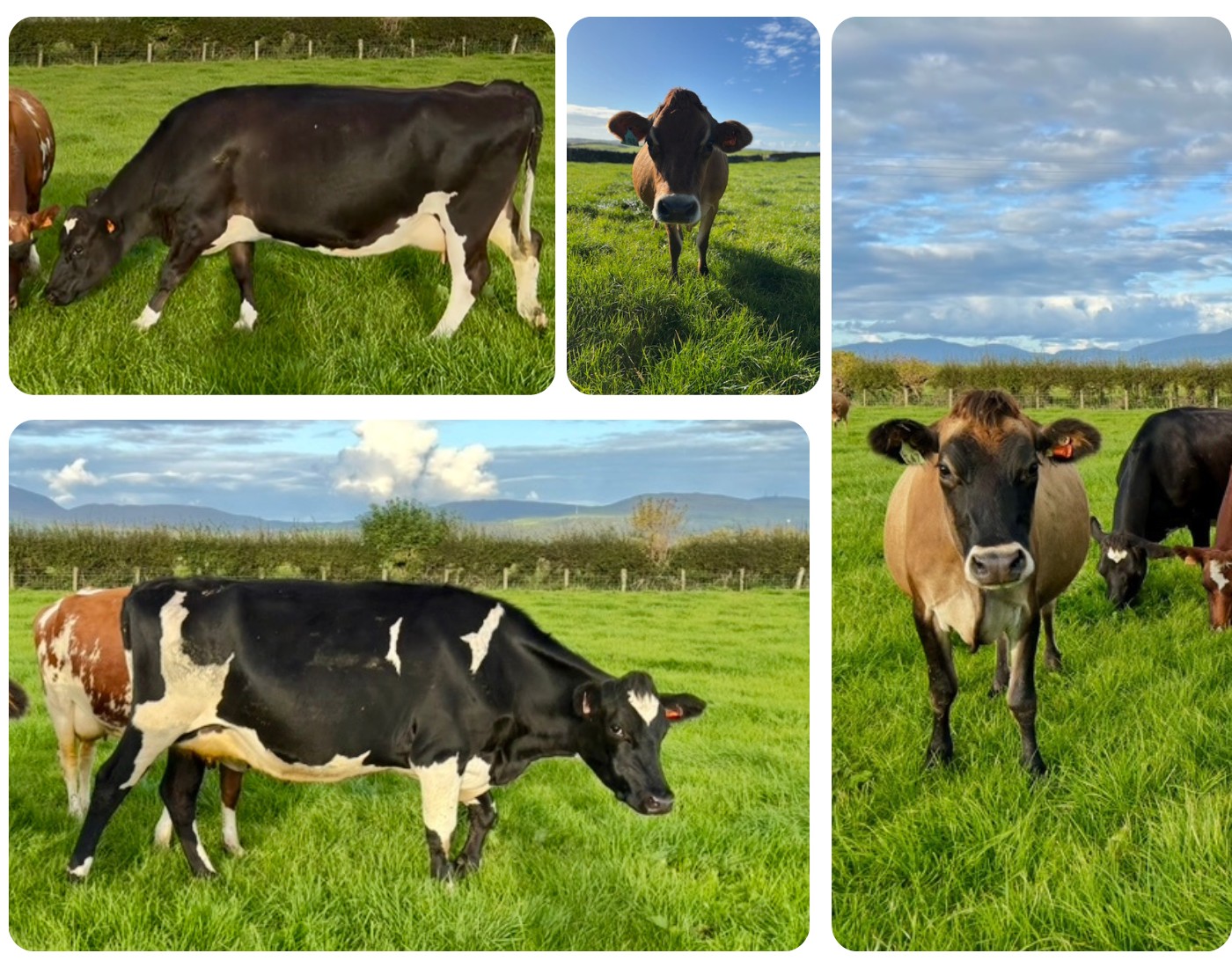
The Milk Recording Process
The main goals of milk recording are to:
- Measure milk yield for each cow.
- Monitor milk quality — particularly butterfat, protein, and somatic cell count (SCC).
- Identify high and low-performing cows.
- Detect early signs of issues like mastitis or poor fertility.
- Support breeding decisions and maintain accurate herd records.
- On a spring-calving farm, milk recording typically starts a few weeks after calving begins and continues at regular intervals (usually every 4 to 6 weeks) through the milking season.
- This allows farmers to track performance across the lactation and build a full picture of each cow’s productivity.
During a recording session:
- A technician (from a milk recording service) or the farmer uses special sampling equipment during milking.
- A small sample of milk is collected from each cow.
- The volume of milk each cow produces is also measured and recorded.
- Each cow is identified using ear tags or electronic IDs, so individual data is accurately logged.
The milk samples are sent to a lab where they are tested for:
- Milk yield
- Butterfat and protein levels (for milk quality and payment purposes)
- Somatic cell count (SCC) — a key indicator of udder health
- Occasionally, lactose levels or milk urea nitrogen (MUN) for dietary insight
Once results are returned, farmers can:
- Identify high-producing cows for breeding or future replacements.
- Flag cows with high SCCs, which may signal mastitis or udder health issues.
- Monitor cows’ milk solids performance, which is vital for grass-based farms paid by milk quality.
- Make culling decisions on underperforming or problem cows.
- Track how well the herd is performing overall and adjust management if needed.
- Because all cows calve around the same time, milk recording helps manage a large group of cows at similar stages of lactation.
- It supports efficient breeding decisions, especially when selecting which cows to breed from or use sexed/semen AI on.
- Helps ensure that the milk produced from grazed grass — the cheapest feed source — is as profitable and high-quality as possible.
In Summary
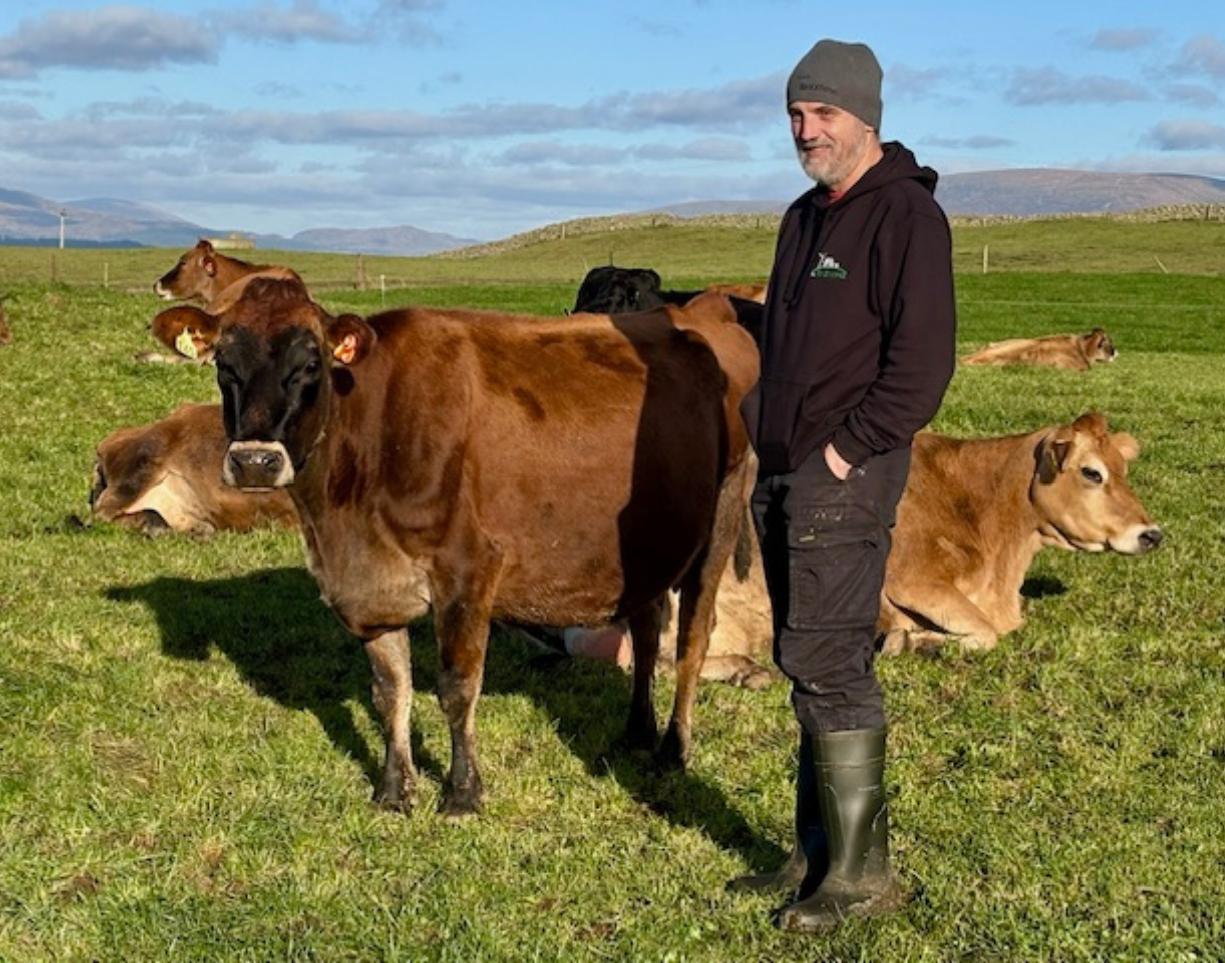
Milk recording on a grass-based, spring-calving dairy farm is like getting a regular report card for each cow. It helps farmers stay on top of performance, catch health problems early and make smarter decisions — all while making the most of the natural advantage of grazed grass.