

Seasonal Events
on Grass-Based Dairy
🌱 – Spring (February – May)
This is the busiest and most critical season.
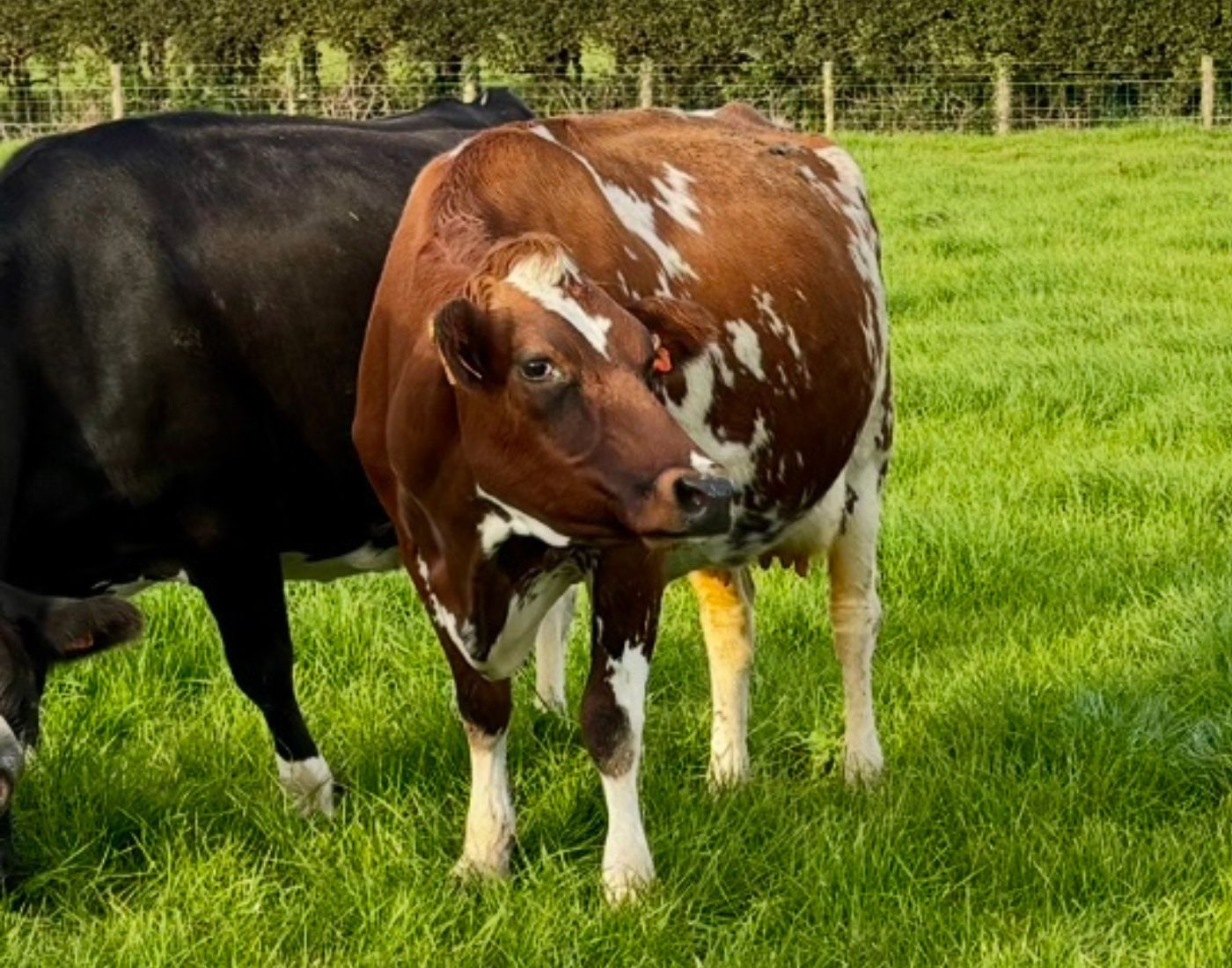
- Calving begins. Cows come into milk.
- Colostrum management for calves (the “golden hour” after birth).
- Calf rearing: feeding, tagging, disbudding.
- First grazing rotations start as ground allows.
- Fertiliser and slurry applications to boost spring grass.
- Peak calving continues; milk volumes rise.
- Breeding preparations: body condition scoring, checking heats.
- Grassland management: first silage ground shut up for May cut.
- Breeding season begins: AI starts, lasting ~9 weeks.
- First-cut silage usually made late May
- Cows fully at grass; second grazing rotation begins.
🌿 – Summer (June – August)
Production steadies and the focus is on grass and fertility.
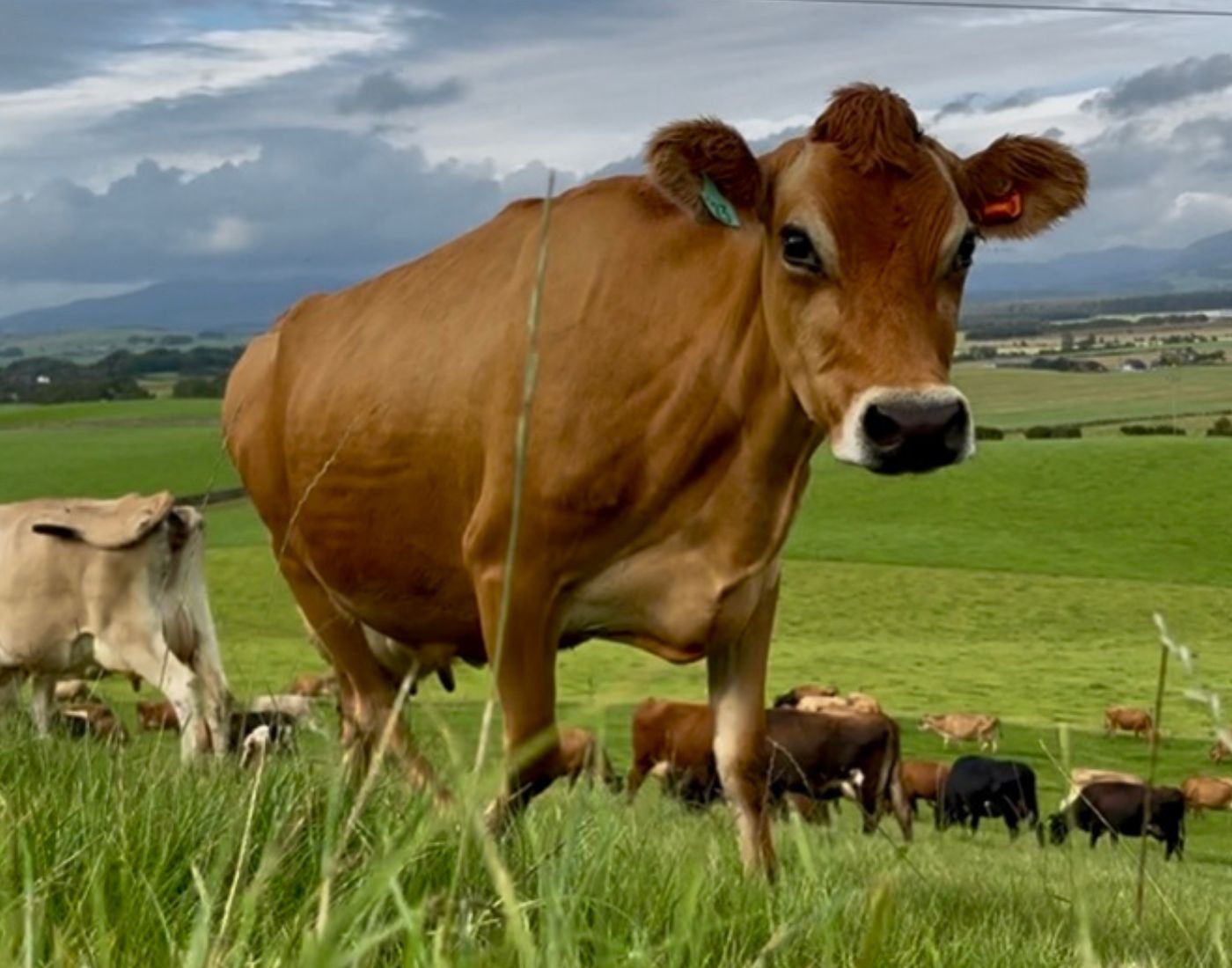
- Breeding continues/finishes.
- First pregnancy checks on cows bred early.
- Second-cut silage if grass growth is strong.
- Grass management: topping fields, reseeding if needed.
- Calves weaned and transitioned onto grass.
- Dry weather challenges: buffer feeding if grass slows.
- Pregnancy scanning confirms which cows are in-calf.
- Cull decisions made for empty or problem cows.
- Herd health checks (vaccinations ahead of housing season).
🍂 – Autumn (September – November)
Transition to winter housing.
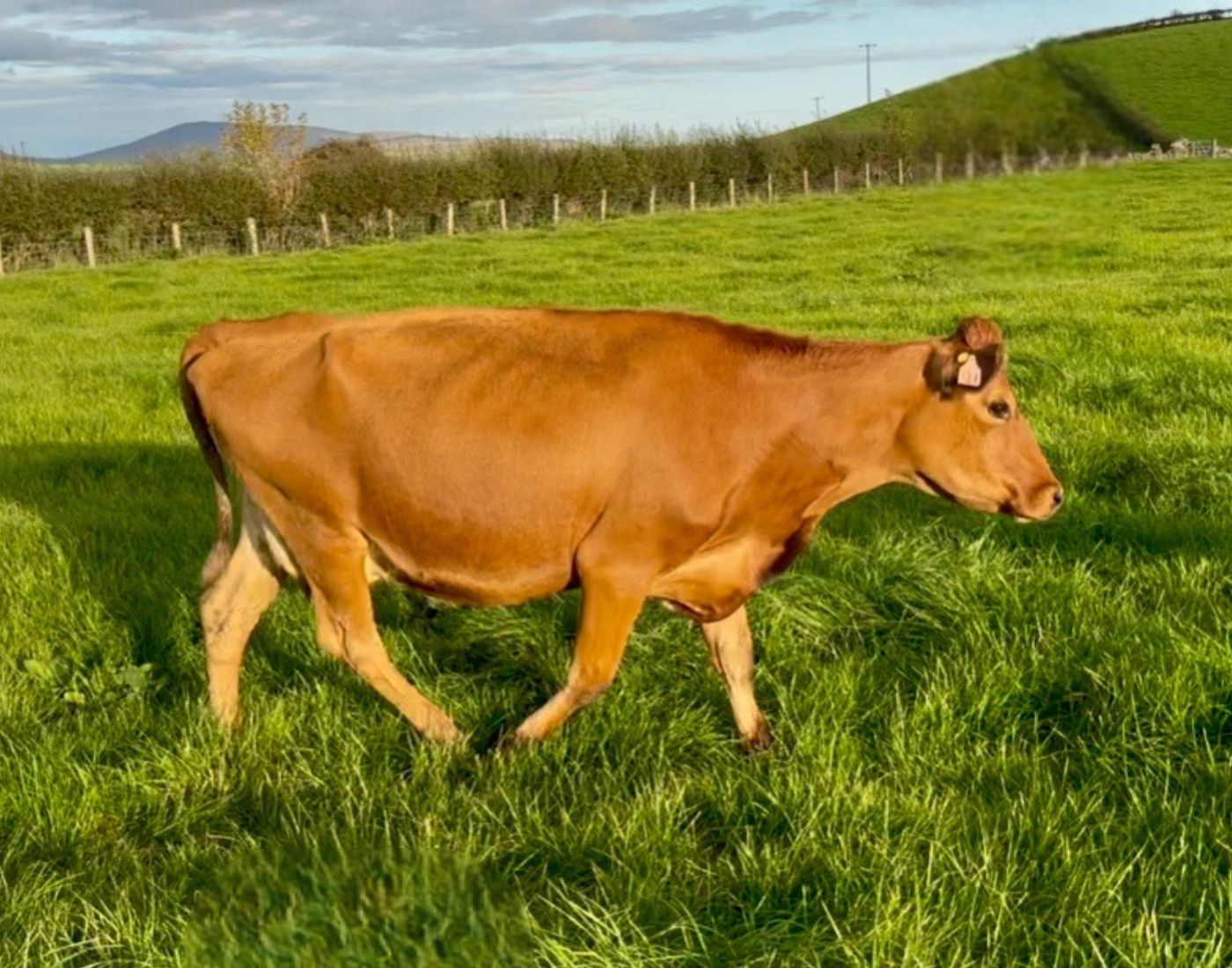
- Late grazing rotations: planning covers for winter.
- Final silage cuts (3rd/4th if taken).
- Youngstock moved onto aftermath grazing.
- Housing preparations: sheds cleaned, bedded.
- Final grazing rotation planned to stretch grass into November.
- Youngstock housed.
- Drying off starts for early-calved cows.
- Most cows housed as weather turns wet.
- Routine vet visits: TB test, BVD vaccination, foot trimming.
- Dry cow therapy applied.
❄️ – Winter (December – January)
Cows are mostly housed and workload is steadier.
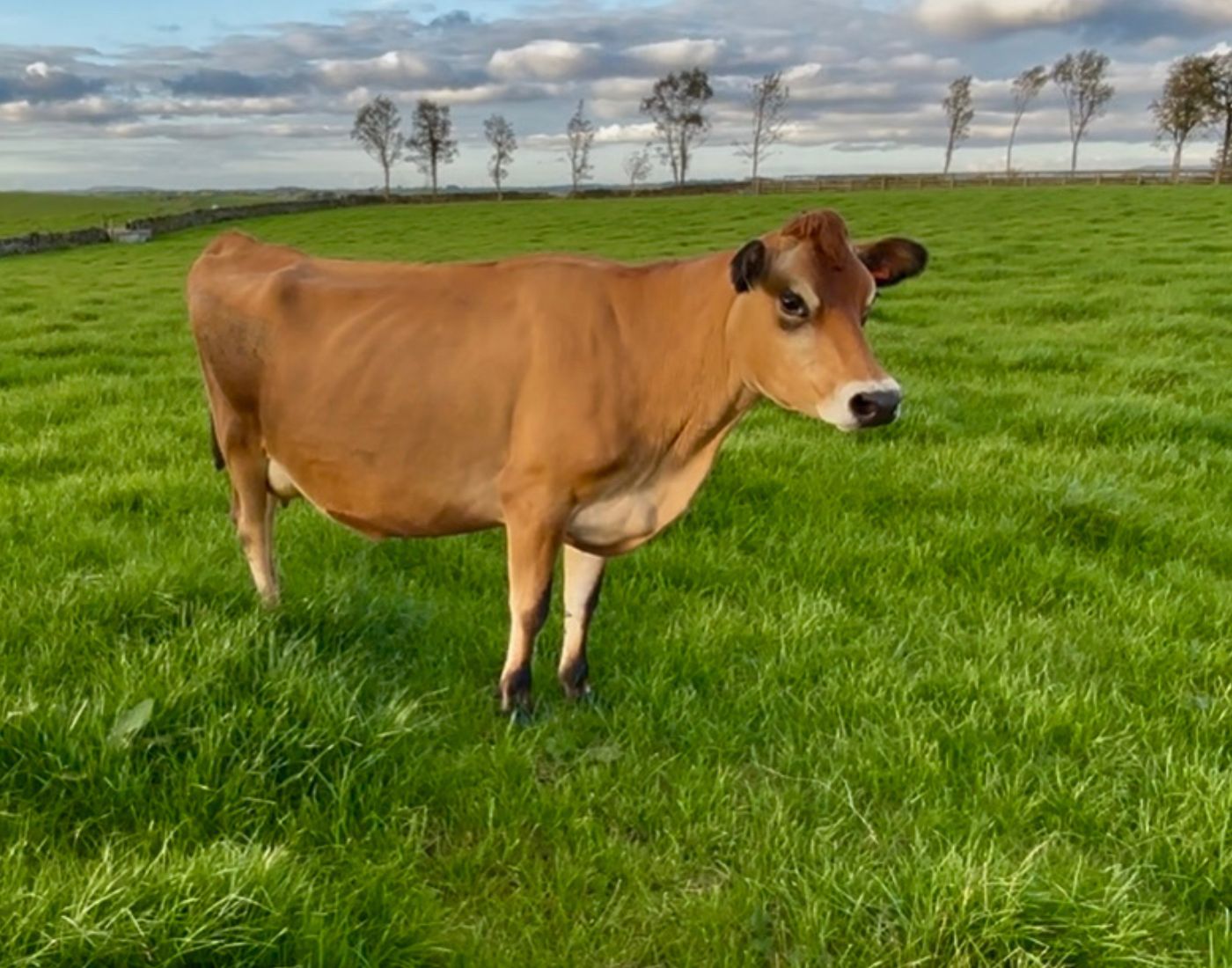
- Dry period for cows: nutrition managed carefully.
- Youngstock inside or on deferred grazing.
- Machinery maintenance.
- Final prep for calving: calving pens ready, colostrum supplies stocked.
- Cow body condition scoring to ensure fit for calving.
- Staff training and planning for the hectic spring ahead.